From late direct deposits to miscalculated hours, there is a lot to handle when processing payroll. In fact, studies show nearly 88% of businesses experience payroll mistakes, whether deducting the wrong amount for benefits, missing a paycheck for a new hire, misclassifying workers, or making manual data entry mistakes. While a single mistake might look simple initially, payroll errors quickly lead to expensive processing delays, extra costs, and employee pay complaints. For business owners, HR professionals, and payroll managers, maintaining accurate payroll supports smooth operations and workplace trust.
This guide outlines the most common payroll errors, why they arise, and clear ways to fix them. By recognizing these mistakes early and adopting reliable solutions, you can avoid unexpected costs, prevent processing delays, and keep your entire payroll process running smoothly.
What are Payroll Errors?
A payroll error is any calculation mistake, processing delay, or data discrepancy that results in inaccurate employee compensation, improper tax withholdings, or incorrect benefit deductions. These mistakes come from timecard tracking oversights, worker misclassifications, manual data entry errors, or applying outdated tax rates, directly impacting the gross-to-net pay calculation.
They affect base salary, hourly wages, overtime rates, shift differentials, bonuses, paid time off, wage garnishments, and retirement contributions. A payroll error causes a direct mismatch between earned gross earnings and actual net payment, leading to underpayments, overpayments, direct deposit failures, tax filing discrepancies, and accounting reconciliation delays for an organization.
5 Common Payroll Errors and Solutions
Managing workforce payments demands consistent accuracy, as processing errors disrupt corporate accounting and employee trust. Identifying recurring payment discrepancies allows organizations to maintain structured financial records and ensure correct compensation.
Worker Misclassification
Classifying hourly workers as independent contractors—or mistaking full-time staff for hourly contractors—is a frequent payroll mistake. Independent contractors manage their own work structure and do not receive corporate benefits, guaranteed minimum wage, or statutory tax withholdings. Treating a full-time worker as an independent contractor leads to incorrect tax reporting, unpaid overtime liabilities, and back-pay compensation demands.
Solution: Conduct Regular Worker Status Audits
Review job positions, work descriptions, and daily control factors regularly against official tax guidelines. Establishing clear job classifications during onboarding and confirming independent worker status ensures accurate tax withholdings and proper overtime access.
Incorrect Overtime Calculations
Calculating overtime involves more than multiplying an employee’s base hourly wage by one and a half. Non-salaried employees who earn performance bonuses, commission pay, shift differentials, or risk bonuses must have these extra earnings included in their baseline pay rate before computing overtime compensation. Leaving out extra incentive compensation from the overtime rate results in underpaid wages and inaccurate paychecks.
Solution: Automate Total Rate Calculations
Connect time-tracking systems with payroll software that automatically combines base pay, bonuses, and incentives into the overtime calculation engine. Setting up system rules according to regional pay guidelines prevents manual rate calculation mistakes.
Manual Data Entry Mistakes
Relying on paper timecards or separate spreadsheets to log employee hours brings frequent input mistakes into the payment process. Common issues include misplaced digits, incorrectly copied hours, missing paid time off updates, and missed pay rate changes after a salary increase. Entry mistakes skew gross pay calculations and generate payment delays.
Solution: Implement Automated Time Tracking
Transition from paper timecards to digital time tracking platforms that connect directly with your payroll system. Automated connections eliminate double data entry, record real-time clock-in data, and confirm hours worked before sending information to payment processing.
Inaccurate Tax and Benefit Deductions
Payroll processing requires managing mandatory tax withholdings alongside elective benefit contributions. Discrepancies start when systems run on outdated tax schedules, miscalculate local income taxes, or apply incorrect deduction amounts for health insurance, retirement plans, and wage garnishments. Withholding improper amounts leaves employees with incorrect net pay and results in tax filing discrepancies.
Solution: Utilize Cloud Software with Automatic Rate Updates
Use cloud-based payroll software that automatically updates local, state, and federal tax schedules in real time. Regularly align employee benefit selections against deduction reports to maintain matching records between payroll files and benefit provider systems.
Late Payments and Missed Deadlines
Processing delays start when payroll managers miss submission dates set by payment processing networks or financial institutions, especially during holiday weeks or months with extra pay periods. Missing processing deadlines delays direct deposit transfers, leaving employees without their pay on scheduled paydays and leading to accounting pileups for the business.
Solution: Establish Automated Processing Schedules and Reminders
Set up structured processing calendars with automated reminder alerts three days before each payroll submission date. Utilizing automated payroll workflows ensures payments reach accounts on time regardless of holiday schedules or administrative shifts.
Multi-State Tax Withholding Discrepancies
When staff work across state boundaries or relocate, managing tax jurisdictions presents distinct processing challenges. Failing to track employee work locations or using incorrect local tax rates leads to severe audit penalties and inaccurate tax deductions from paychecks.
Solution: Use Automated Payroll Systems
Implement software with built-in location tracking and regional tax engines. Automated tools adjust state and local tax withholdings based on exact physical work locations, preventing tax audit penalties.
Incorrect Final Paycheck Processing
Processing final compensation for departing employees involves tight delivery timelines, unused vacation payouts, and severance pay calculations. Delaying final paycheck delivery or miscalculating accrued leave cash-outs triggers administrative penalties and legal claims from former staff.
Solution: Establish Standard Offboarding Workflows
Connect HR checklists directly into payment software to automate final wage calculations. Pre-setting payout logic for accrued leave and severance ensures payment distribution upon employee separation.
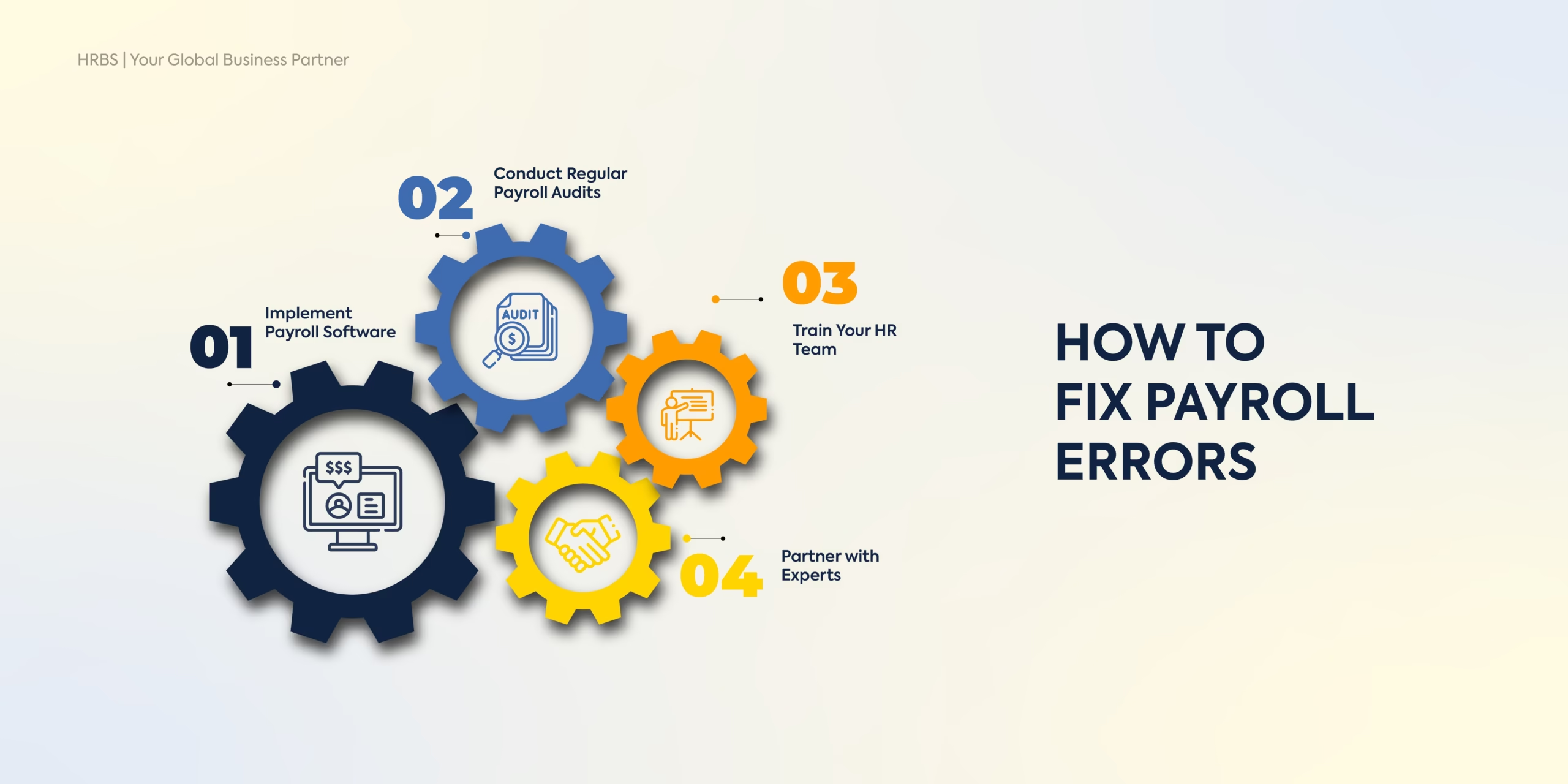
Step-By-Step Process to Fix Payroll Errors
Resolving payment errors quickly keeps company financial reports accurate and maintains worker trust. Following a structured multi-step process helps accounting teams fix payment differences while maintaining proper records.
Review Source Files
Compare digital timecard entries, hourly rates, and tax withholding forms against final payout records. Cross-checking worked hours against approval logs reveals data entry errors, incorrect shift rates, or unapplied leave hours. Identifying underlying errors early prevents repeating calculation errors across future pay cycles.
Calculate Wage Variance
Calculate the exact financial gap between issued paychecks and accurate total compensation. Ensure calculations cover pre-tax earnings and final net pay:
- Base pay, overtime hours, and bonus pay
- Federal, state, and local tax rates
- Mandatory payroll deductions and court-ordered withholdings
- Voluntary contributions for health insurance and retirement plans
Recalculating both gross and net amounts ensures that tax withholdings and benefit contributions remain accurate for both the employee and employer.
Attach Record Proof
Attach digital time tracking entries and wage correction requests directly to worker profile files. Maintaining complete documentation provides clear support for internal accounting reviews and official labor inspections. Archiving written records ensures transparency if questions emerge during year-end tax audits.
Process Payment Adjustments
- For Underpayments: Run an off-cycle payroll batch or issue direct electronic transfers to distribute missing net earnings immediately.
- For Overpayments: Review local wage deduction guidelines. Draft a clear repayment schedule divided across upcoming pay periods.
Communicating payout schedules in writing sets clear expectations, ensuring employees understand how and when missing compensation will be delivered.
Update Tax Forms
Update internal tax reports and balance sheet accounts to show accurate earnings figures and withholdings. When payment updates touch past quarters or tax years, submit revised tax returns (such as IRS Form 941-X) to government tax agencies to keep accounts balanced. Updating tax filings prevents penalties and keeps company balance sheets fully balanced.
Update Software Checks
Update digital payroll settings, wage calculation rules, and manager approval workflows. Creating system checks stops manual data entry mistakes and prevents past payment errors from repeating. Regular software audits improve operational accuracy and maintain consistent payroll processing across the organization.
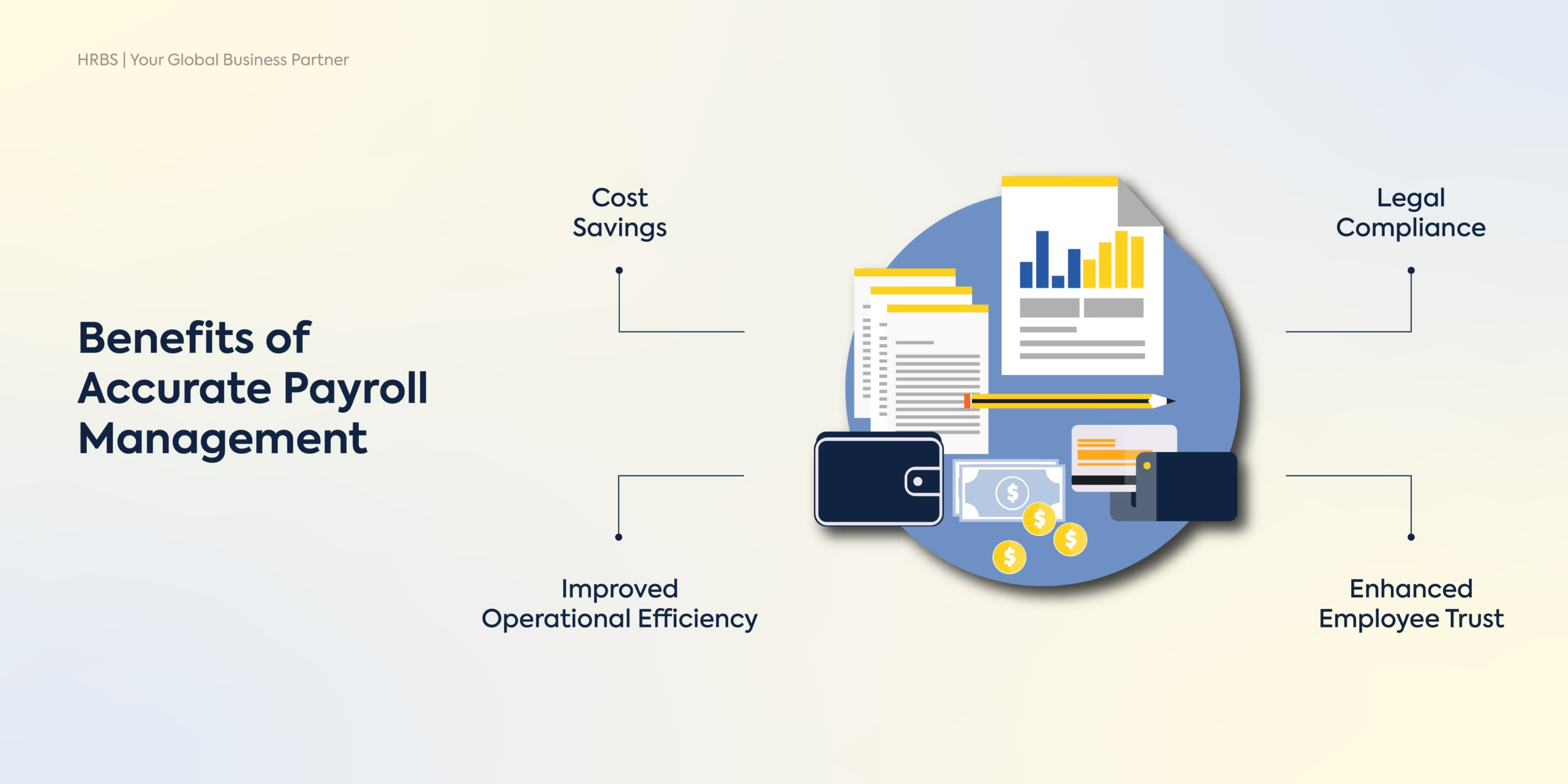
Benefits of Accurate Payroll Management
- Employee Trust and Retention: Delivering correct wage distributions on scheduled paydays gives staff confidence in company management. When worker pay matches hours worked every single cycle, staff turnover drops significantly. Clear net pay breakdowns reduce endless questions to HR and keep worker focus on daily job duties.
- Predictable Cash Flow Control: Exact calculations for gross wages, tax withholdings, and voluntary benefits keep corporate bank balances stable. Knowing exact payroll totals ahead of payout dates prevents sudden capital shortages and eliminates overpayment expenses. Clear payout tracking also allows financial managers to plan future capital investments with full confidence.
- Legal Compliance and Fine Prevention: Exact tax withholding calculations across federal, state, and local regions prevent late tax filing fines and interest charges. Submitting accurate worker earnings reports on time eliminates government review notices and unexpected back-tax bills. Proper tax calculations protect business capital from official fines.
- Simplified Audit Support: Digital time records and organized payout logs provide clear records for internal accounting reviews and external tax inquiries. Having clear payment records makes finding past pay statements and tax records fast and easy. Organized file storage keeps finance operations smooth during routine external accounting checks.
- Lower Administrative Expenses: Eliminating extra off-cycle payment runs and manual paycheck fixes cuts daily operating expenses. Finance teams spend far less time reworking timecards, writing manual checks, or fixing bank transfer mistakes. Reducing manual corrective work frees up team time for core operational tasks.
- Benefit Distributions: Exact net pay deductions for health insurance, retirement plans, and court-ordered payments ensure fast transfers to third-party providers. Correctly collecting worker contributions keeps employee insurance coverage active without sudden payment breaks. Reliable benefit processing protects employees from unexpected out-of-pocket medical costs and safeguards the firm from provider disputes.
Remote Worker Accuracy: Applying correct state tax guidelines for remote staff prevents state tax withholding mistakes and classification disputes. Tracking local tax zones accurately ensures that remote workers pay proper local taxes based on where they live and work. Proper classification of independent contractors and full-time staff avoids costly unpaid wage claims.
Harnessing Technology for Error-Free Payroll
Modern payroll software eliminates manual mistakes by calculating wages, tax withholdings, and direct deposit payments. Connecting time-tracking tools directly to payroll platforms prevents manual data entry mistakes, applies exact worker pay rates, and updates local tax rules.
- Automated Timecard Connections: Digital time-tracking tools push worked hours directly into payroll software. This removes manual data re-entry, stops overtime calculation mistakes, and guarantees exact hourly payouts.
- Real-Time Tax Rate Updates: Cloud payroll software updates federal, state, and regional tax percentages. Built-in software applies proper withholding amounts based on worker locations without manual edits.
- Direct Bank Transfers: Electronic payment systems send net pay straight to staff bank accounts on set paydays. Automated checks review account details before processing to prevent failed bank deposits.
- Data Verification Controls: Connected software checks worker details, benefit deductions, and pay caps before processing payouts. Built-in system rules highlight repeated worker records or missing tax forms before final payout approval.
- Digital Staff Portals: Web portals allow workers to check pay statements, submit tax forms, and update bank account details directly. Self-service options reduce administrative work while keeping worker records accurate.
How HRBS Can Help in Preventing Payroll Errors?
At HRBS, we prevents payroll errors by using managed outsourcing, automated payment tools, and local tax specialists across domestic and international markets. We verifie worker details before each pay run, applies exact local tax percentages, and tracks changes in local labor laws to guarantee correct wage distributions.
- Early Payroll Checks: We review worked hours, bank account details, and worker information before running payments. Checking worker details early prevents incorrect payouts and avoids delayed bank deposits across every pay cycle.
- Local Tax and Legal Expertise: Our local HR and tax specialists calculate correct deductions for local taxes, social security, and government programs in every region. We track local tax updates to keep payments compliant and eliminate tax fines.
- Automated Gross-to-Net Calculations: We use automated payment software to calculate exact base pay, overtime hours, and voluntary deductions without manual data entry mistakes. Our automated systems deliver correct net pay straight to staff bank accounts on scheduled paydays.
- Employer of Record Services: As an Employer of Record, we manage worker contracts, local benefit payouts, and official tax filings under compliant legal frameworks. Our oversight protects companies from worker misclassification claims and international pay mistakes.
- Clear Record Keeping and Auditing: We maintain detailed payment records and worker earnings reports for internal accounting reviews and official audits. Our organized payout records make finding past pay statements fast and keep financial records clear.
Payroll mistakes cost your business time, worker trust, and government fines. Partner with us to automate gross-to-net calculations, manage local tax compliance, and guarantee correct wage payouts across every pay run.
FAQs
What are the Most Common Payroll Errors Businesses Make?
The most common payroll errors businesses make include incorrect worker classification, inaccurate hours and overtime tracking, missed tax filing deadlines, and miscalculated gross-to-net deductions. Misclassifying employees as independent contractors leads to legal fines and back-tax liabilities under labor laws. Additionally, manual data entry causes calculation mistakes in withholding taxes, local benefit deductions, and wage distributions, which damages employee trust and triggers government tax audits.
How Can Payroll Software Help Prevent Errors?
Payroll software prevents errors by automating wage calculations, syncing time-tracking data directly to pay runs, and automatically applying current regional tax rates. Automation eliminates manual spreadsheet entries and human calculation mistakes. Modern payroll platforms automatically update changing tax rules, flag data discrepancies before payment execution, and generate audit-ready reporting to ensure precise payout distributions every pay cycle.
How Often Should Payroll Audits Be Conducted?
Businesses should conduct internal payroll audits at least once every quarter, along with a comprehensive annual audit before the tax filing season. Quarterly audits allow accounting teams to identify wage variances, incorrect tax withholdings, and record-keeping mistakes early. Regular reviews ensure ongoing compliance with changing labor regulations, prevent cumulative financial discrepancies, and keep financial records ready for external tax agency inspections.
How Do Employer of Record Services Prevent Cross-Border Payroll Errors?
Employer of Record services prevent cross-border payroll errors by assuming direct legal responsibility for compliant local tax withholdings and local currency wage distributions in international markets. Cross-border payroll involves complex local labor laws, exchange rate fluctuations, and distinct international tax treaties. Utilizing global payroll specialists ensures foreign staff receive exact local currency payments while maintaining strict adherence to regional employment standards.
Is Outsourcing Payroll a Good Option for Preventing Errors?
Yes, outsourcing payroll to specialized service providers significantly reduces errors by shifting complex tax calculations, legal compliance, and payout execution to dedicated local experts. Professional payroll providers maintain up-to-date knowledge of regional tax codes, employment laws, and statutory filing deadlines. Outsourcing provides access to advanced payroll technology and multi-tier verification checks without requiring in-house teams to maintain costly administrative infrastructure.
Why Are Pre-Payroll Reviews Critical Before Finalizing Direct Deposits?
Pre-payroll reviews are critical because they catch data entry mistakes, incorrect bank account numbers, and unverified overtime hours before funds leave corporate accounts. Executing a final verification stage before bank authorization prevents failed wire transfers, costly clawback procedures, and delayed wage deliveries. Verification ensures all worked hours, bonus payouts, and tax withholdings match approved source documents prior to distribution.
What Steps Should a Business Take Immediately After Discovering a Payroll Error?
When discovering a payroll error, a business should immediately calculate the exact financial variance, document the root cause, inform the affected employee, and process a corrective payout or adjustment during the next scheduled pay cycle. Transparent communication with affected staff prevents workplace dissatisfaction. Accounting teams must simultaneously update internal source records, adjust corresponding tax withholdings, and file amended returns with local tax authorities if the error impacted statutory filings.